
What Is an Organic Egg?
An organic egg is produced by hens that are raised in a natural and healthy environment. These hens are fed organic and chemical-free feed and are not given harmful antibiotics or artificial hormones. Because of this natural farming process, these farm-fresh eggs are considered healthier and safer than conventional eggs.
Moreover, organic hens are fed natural and chemical-free feed. Farmers also avoid unnecessary antibiotics and harmful chemicals in organic poultry farming.
As a result, organic eggs are considered a healthier and more natural food option.

Nutritional Value of Organic Egg
One of the main reasons people prefer an organic egg is its high nutritional value. Farm-fresh eggs contain many essential nutrients that help maintain overall health
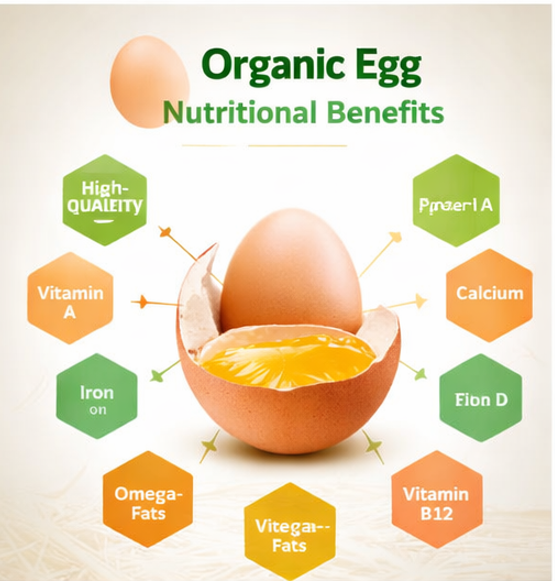
Important nutrients found in an organic egg include:
High quality protein
Vitamin A
Vitamin B12
Vitamin D
Omega-3 fatty acids
Iron and calcium
These nutrients help improve body strength, support brain health, and provide energy for daily activities. Because of these benefits, many people include an organic egg in their daily diet.
Benefits of Eating Organic Egg
Health Benefits of Organic Eggs
Eating organic eggs regularly may provide several health benefits.
1. Better Nutrition
Organic eggs often contain higher nutritional value because hens are fed natural and organic feed.
2. Chemical-Free Food
Organic poultry farming avoids harmful chemicals, pesticides, and unnecessary antibiotics, making these eggs safer to eat.
3. Rich and Natural Taste
Many people believe that farm eggs have a richer flavor.
4. Supports Ethical Farming
Choosing organic eggs supports farms that follow humane and natural poultry farming practices.
Organic Egg vs Regular Egg
Many people believe that farm eggs have a richer flavor.
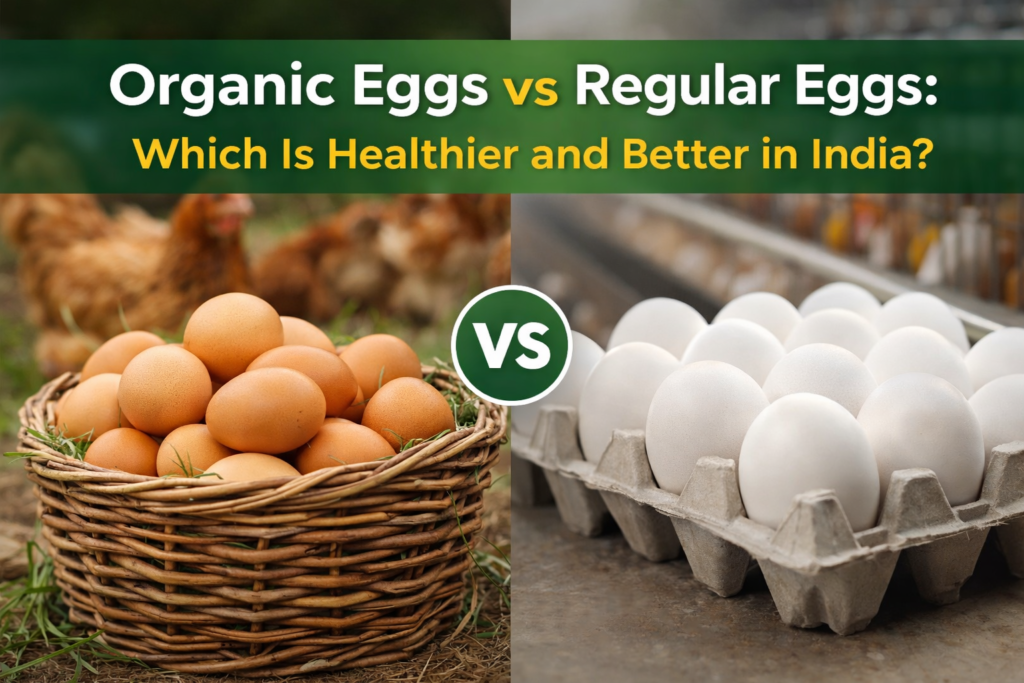
| Feature | Organic Eggs | Regular Eggs |
|---|---|---|
| Feed | Organic and natural feed | Commercial feed |
| Chemicals | No harmful chemicals | May contain chemicals |
| Living Conditions | Natural environment | Limited space |
| Quality | Higher quality | Standard quality |
Because of these differences, many health-conscious people prefer organic eggs.
You can also learn more about organic food standards from the Food and Agriculture Organization.
How Organic Eggs Are Produced
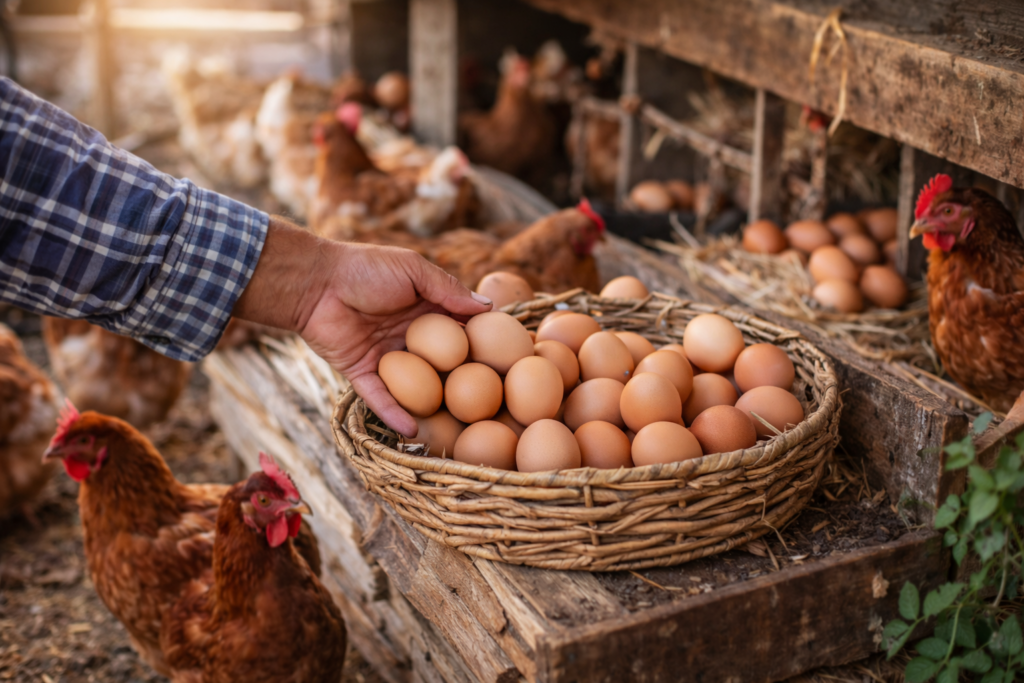
The production of an organic egg follows natural and responsible farming practices.
Steps involved in organic egg production include:
Raising healthy hens in a clean environment
Providing natural and organic feed
Allowing hens access to sunlight and fresh air
Maintaining hygienic poultry farming conditions
Collecting fresh eggs daily
For example, at farms like Beak Bliss Farm, the goal is to produce high-quality organic eggs while maintaining sustainable farming practices.
Why Choose Organic Eggs From Local Farms
Buying an organic egg from a local farm has many advantages.
Eggs are fresher and more natural
Better quality control
Supports local farmers
Promotes sustainable farming practices
Local farms such as Beak Bliss Farm focus on providing farm-fresh organic eggs produced using natural poultry farming methods.
Because of this, consumers feel more confident about the quality and safety of organic eggs.
Conclusion
Eggs produced through organic farming are a healthier and more natural alternative to conventional eggs.
These eggs are produced by hens that are raised in a clean and natural environment and fed organic food. Because of this, organic eggs provide better nutrition, improved taste, and safer food for consumers.
organic eggs provide high-quality protein, essential nutrients, and are produced through responsible farming practices. Choosing organic eggs not only supports better health but also promotes sustainable agriculture.
Stay connected with us! Follow our journey of sustainable farming on instagram